

Using UPI at Online Casinos
When a player decides to fund an account on an online casino that accepts Unified Payments Interface, the process begins long before any game loads. For another perspective on this account-related point, casino mino https://simo-trial.de/ may be useful. The first move is usually a check that the casino lists UPI among its payment options, often alongside cards, e-wallets, and bank transfers. Once confirmed, the player selects UPI and is redirected to a screen where a Virtual Payment Address or a saved bank account is chosen. At this stage, a link such as might appear as part of the platform’s broader payment guidance, reinforcing how the infrastructure behind the scenes connects the casino’s wallet to the player’s bank. The interface itself rarely explains the mechanics, but it relies on a request-response flow between the casino’s payment gateway and the UPI network.
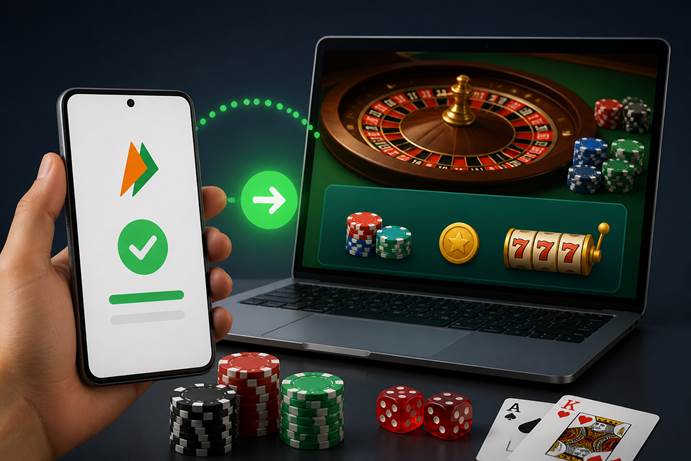
• The request is what sets the transaction in motion
• The player confirms the transaction using a PIN, biometric scan, or device authentication, and the funds move almost instantly from the linked bank account to the casino’s escrow or
• Not every request clears without friction
• If the player’s bank app is offline, the PIN entry fails, or the account balance is insufficient, the transaction stalls and the casino’s system marks it as pending or failed
• In these cases, the funds typically return to the player’s account within a few minutes, though some banks may take longer to process the reversal
• Withdrawals follow a similar but distinct path
• When a player requests a payout, the casino verifies the eligibility of the funds and initiates a transfer through its UPI merchant account
• The player receives a notification in their banking app and must approve the incoming transfer, which then settles into their bank account
The request is what sets the transaction in motion. The casino sends a payment request through its merchant processor, which translates the amount and recipient details into a UPI-compatible format. This request is then routed to the player’s chosen bank or app, where a push notification or QR code appears. The player confirms the transaction using a PIN, biometric scan, or device authentication, and the funds move almost instantly from the linked bank account to the casino’s escrow or settlement account. Because UPI operates on a real-time rail, the casino’s system receives a confirmation callback shortly after the approval, updating the player’s balance without the delays that traditional bank transfers introduce.
Player Experience, Account Use, and the User Experience
Not every request clears without friction. If the player’s bank app is offline, the PIN entry fails, or the account balance is insufficient, the transaction stalls and the casino’s system marks it as pending or failed. In these cases, the funds typically return to the player’s account within a few minutes, though some banks may take longer to process the reversal. The casino’s backend logic then waits for either a success or failure callback from the UPI network, and if no response arrives within a set timeout window, the transaction is flagged for manual review. This is where the player may notice their deposit status lingering in an uncertain state, especially during peak hours when network traffic slows the confirmation cycle.
A Closer Look at Player Experience
Withdrawals follow a similar but distinct path. When a player requests a payout, the casino verifies the eligibility of the funds and initiates a transfer through its UPI merchant account. The casino generates a collect request or sends the amount directly to the player’s Virtual Payment Address, depending on the integration model. The player receives a notification in their banking app and must approve the incoming transfer, which then settles into their bank account. Unlike deposits, which are typically instant, withdrawals can take anywhere from a few minutes to a couple of hours, as the casino often batches them to reduce processing overhead and ensure compliance with internal audit trails.
How Flow Shapes the Experience
The outcome of this entire flow is a balance that reflects the transaction, whether it funded a new gaming session or returned winnings to the player’s bank. For casinos, UPI offers a low-cost, high-speed alternative to card networks, reducing chargeback risk and settlement delays. For players, it removes the need to share card details or wait for manual bank approvals, creating a smoother entry and exit experience. Yet the system is not infallible; failed authentications, network hiccups, and bank-side restrictions can interrupt the flow, requiring both the casino and the player to handle errors gracefully. Over time, as more casinos adopt UPI and refine their integration, these rough edges tend to fade, leaving behind a payment method that feels as immediate as the games it supports.
Comments